
SprayFoam Mortgage Help logoSprayFoam Mortgage Help
⚠️ Updated for 2026 — UK lender policies revised

Spray Foam Mortgage Problems? You're not alone.

Tens of thousands of UK homeowners are now being refused mortgages, remortgages and sales because of spray foam insulation in their loft. We're the UK's independent advice hub — explaining your options, your rights, and exactly what removal involves.

90%+

UK lenders restrict spray foam

£2.5k–8.5k

Typical removal cost

10–25%

Possible value loss

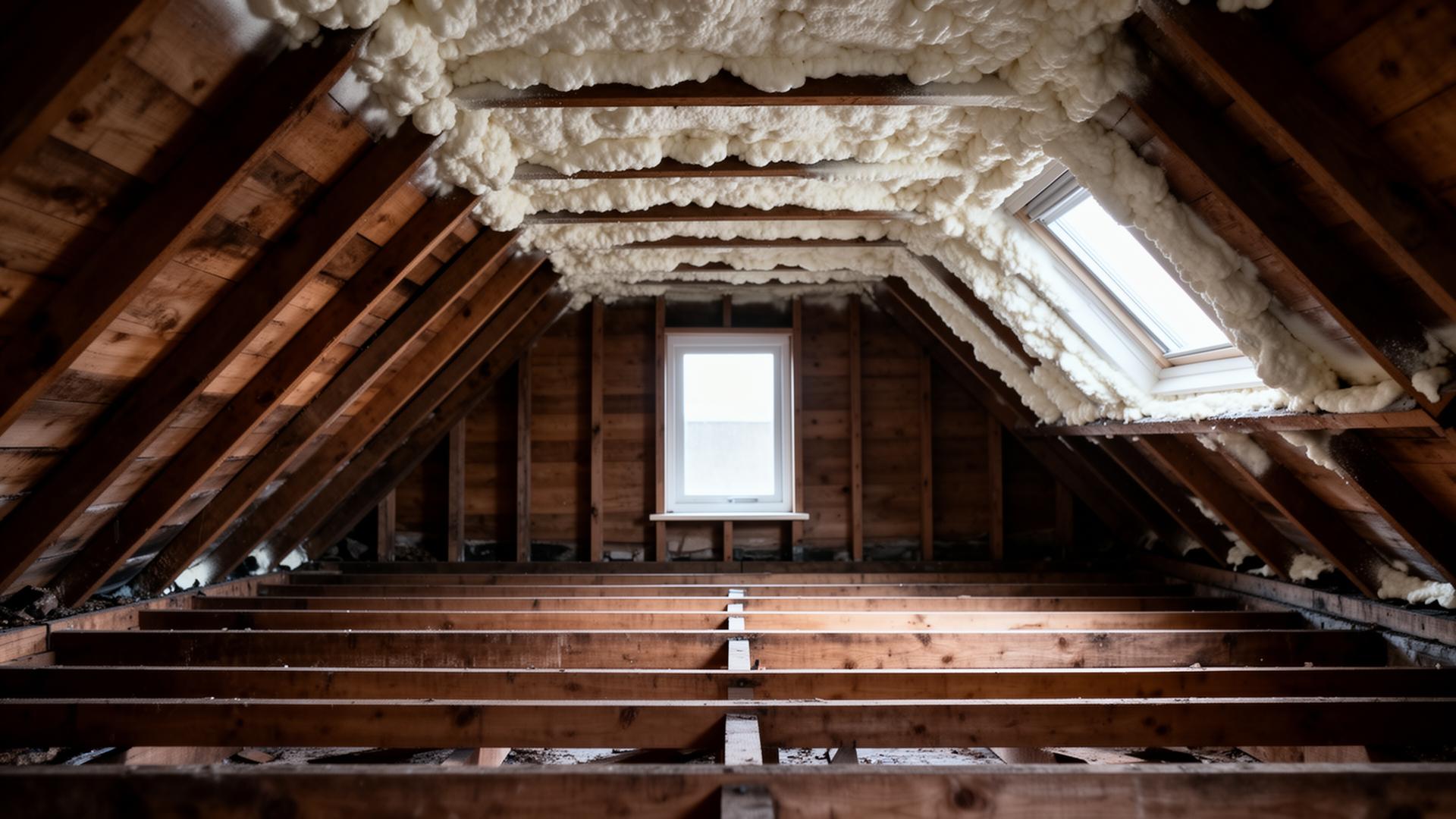
Loft interior showing spray foam insulation between roof rafters in a UK property

Real concern, real solutions

Independent UK specialists

What's actually going wrong?

Spray foam was promoted as a green upgrade. In reality, it has triggered the biggest loft-related mortgage crisis in UK housing for decades. Here's why.

Lender refusals

Most major UK banks and building societies will not lend against a property with spray foam applied to the roof structure.

Failed surveys

RICS surveyors routinely flag spray foam as a defect, often recommending complete removal before valuation can be agreed.

Sales falling through

Buyers walk away once their mortgage offer collapses at survey stage. Chains break and properties relist as 'cash buyers only'.

Hidden timber decay

Closed-cell foam can mask wet rot in roof timbers by sealing in moisture. Surveyors can't inspect what they can't see.

Ventilation problems

Spray foam often blocks the airflow modern roofs need, causing condensation and accelerated timber damage over time.

Insurance complications

Some home insurers now ask explicit questions about spray foam and may decline cover or apply restrictions.

The complete UK guide to spray foam mortgage problems (2026)

Spray polyurethane foam (SPF) was sold to UK homeowners through the late 2010s and early 2020s as a fast way to insulate a loft and improve energy efficiency. Door-to-door sales pitches, government grant confusion, and a wave of installers without proper accreditation pushed it into hundreds of thousands of British homes. By 2023 the consequences began to bite: lenders, surveyors and insurers started declining the properties it had been sprayed into. By 2026, spray foam mortgage problems have become one of the most common questions asked by UK homeowners trying to remortgage, sell or release equity.

This guide explains, in plain British English, exactly why this is happening, what your options are, and how to put your home back on a mortgageable footing — without the sales pressure you'll find on installer websites. Our position is independent: we don't sell foam and we don't profit from removal. We're here to help you make the right decision for your property.

Why do UK mortgage lenders reject spray foam?

Lenders look at three things when assessing a property: marketability, structural integrity and long-term value. Retrofitted spray foam — particularly when sprayed directly to the underside of the roof tiles or felt — affects all three. The Royal Institution of Chartered Surveyors (RICS) updated guidance in 2022 advising members to flag spray foam as a potential defect requiring further investigation. Once a surveyor flags it, the lender's mortgage offer is usually withdrawn or made conditional on full removal.

The specific concerns are well documented. Spray foam can trap moisture against the timbers, prevent meaningful inspection of the rafters, block the cross-ventilation modern pitched roofs are designed to have, and complicate any future re-roofing work. From a lender's perspective, that translates into an asset they can't easily resell if they had to repossess. The simplest underwriting decision is therefore to decline.

Open-cell vs closed-cell: does the type matter?

Yes, but probably not in the way installers told you. Closed-cell foam is dense, rigid, vapour-resistant and bonds aggressively to timber. It is very difficult to remove and is treated most harshly by lenders. Open-cell foam is softer, more breathable and comparatively easier to remove. A handful of UK lenders will occasionally consider open-cell installations with full documentation, but the safer assumption is that any retrofitted spray foam will create mortgage friction.

Will removing spray foam fix the problem?

In almost all cases, yes. Once the foam has been mechanically removed, the timbers inspected and treated where required, and a clean post-removal report issued by a qualified surveyor or PCA-registered specialist, lenders will treat the property as standard. Most homeowners who remove foam see their property return to normal valuation and become mortgageable through high-street lenders again.

How much does spray foam removal cost?

Costs vary by foam type, loft size, accessibility and whether timber treatment is required afterwards. Use the table below as a 2026 UK guide:

Property type Open-cell removal Closed-cell removal
Mid-terrace (small loft) £2,500 – £3,800 £3,500 – £5,500
Semi-detached £3,000 – £4,800 £4,500 – £7,000
Detached £3,800 – £6,500 £5,500 – £8,500
Bungalow / large roof span £4,500 – £7,500 £6,500 – £10,000+

Get a fixed-price quote in writing before any work starts. A reputable removal specialist will inspect the loft, photograph the foam, identify the type, and provide a written method statement together with a post-removal report you can hand to your lender.

Selling a house with spray foam insulation

You have three realistic options if you want to sell. First, remove the foam before listing — this gives you full access to the buyer pool and usually recovers the cost in achieved sale price. Second, sell as-is to a cash buyer at a discounted price. Third, negotiate a price reduction on completion equal to the removal cost, with the work done after sale. Each route has trade-offs we explain in detail on our selling guide.

What about remortgages and equity release?

Existing mortgages do not become invalid the day you discover a spray foam problem. They become problematic at the next remortgage, product transfer or further-advance application, and at the point of sale. If you have time on a fixed deal, that's the window to plan removal so you can switch lender on standard terms. Equity release providers in 2026 are particularly cautious — most will not proceed with spray foam in place.
Your route back to a mortgageable home

A clear, lender-friendly process built around what actually satisfies UK underwriters in 2026.

  1. 1

    Independent assessment

    We confirm the foam type, condition of timbers, ventilation and your lender position.

  2. 2

    Removal quote

    Fixed-price written quote from a vetted UK specialist — no pressure, no upsells.

  3. 3

    Mechanical removal

    Foam is fully removed, timbers inspected and treated where required.

  4. 4

    Lender-ready report

    You receive a clean post-removal report to send to your mortgage lender or buyer.

UK lender position on spray foam (2026)

A general guide based on publicly stated underwriting positions and broker feedback. Always confirm directly with your lender or broker.

Lender Position Typical requirement
Halifax Generally declines Full removal + clean report
Nationwide Generally declines Full removal + report
NatWest / RBS Case by case, usually declines Removal in most cases
Santander Generally declines Full removal
Barclays Case by case Surveyor report + often removal
HSBC / First Direct Generally declines Full removal
Skipton BS Restricted Removal in most cases
Leeds BS Considers with documentation PCA report + installer cert
Specialist lenders Limited appetite Higher rate + report

For deeper detail see our pages on lenders refusing spray foam and banks that accept spray foam.

Why homeowners across the UK trust us

We are an independent advisory service — not an installer, not a foam supplier and not a mortgage broker on commission. Our only goal is helping UK homeowners get out of the spray foam mortgage trap with as little stress and cost as possible.

  • Independent — we do not install or sell spray foam
  • Network of vetted UK removal specialists
  • Mortgage-led approach: every recommendation considers your lender
  • Fixed-price written quotes — no commission upsells
  • Plain English advice, no industry jargon
  • Full post-removal documentation accepted by major UK lenders
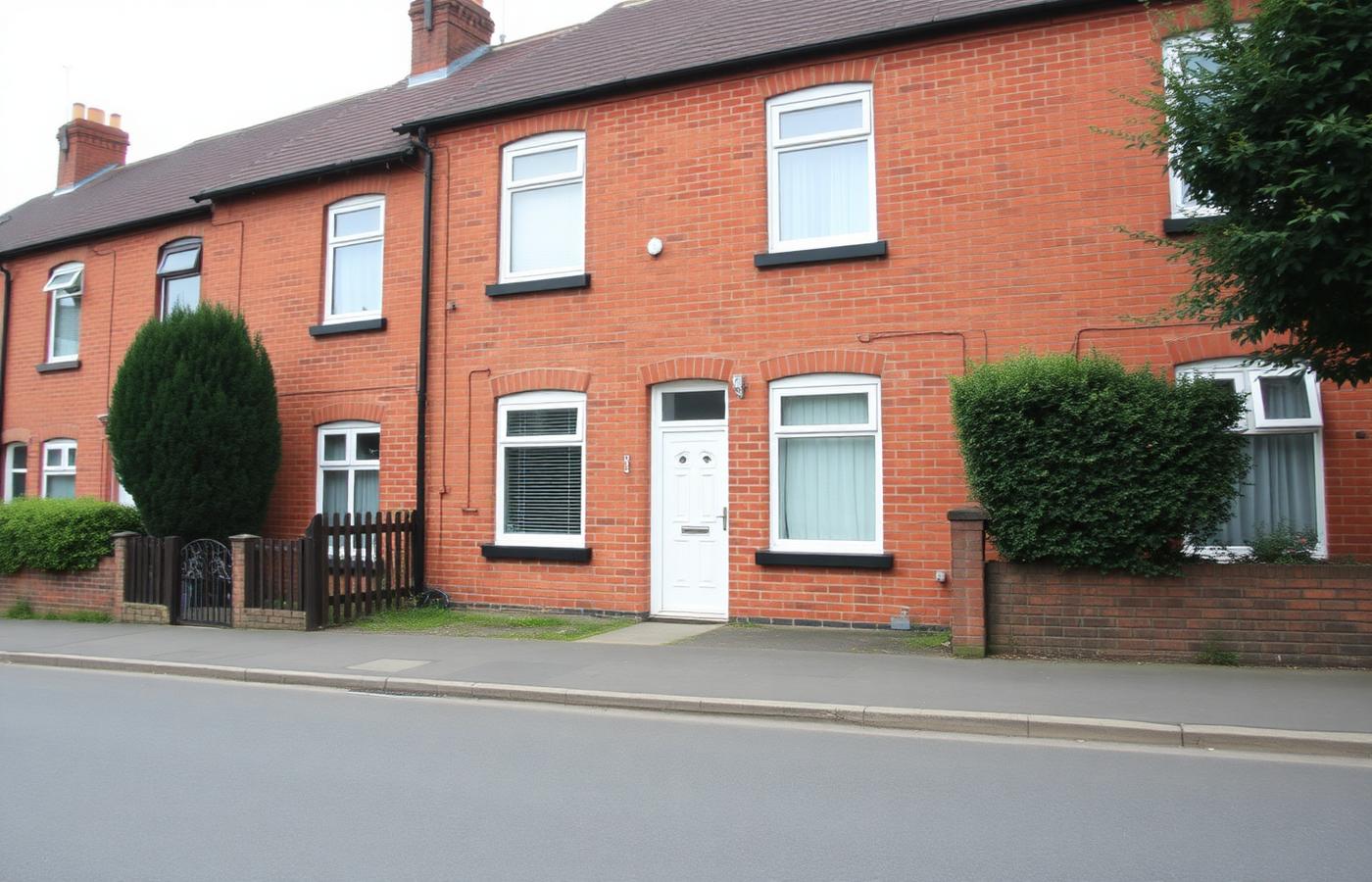
Typical UK red brick terraced house exterior

Spray foam mortgage FAQs

The questions UK homeowners most often ask us. Click any to expand.

Why do mortgage lenders have a problem with spray foam insulation?

Most UK lenders treat spray foam — particularly closed-cell foam sprayed directly to the underside of roof tiles — as a property defect risk. They worry it can mask roof timber decay, prevent ventilation, complicate future repairs and reduce the home's resale value. RICS surveyors are also more cautious since 2022, which means valuations come back conditional or refused.

Can you get a mortgage on a house with spray foam insulation in 2026?

Yes, but with significant restrictions. A small number of UK lenders will consider properties with correctly installed open-cell foam if accompanied by a current PCA-certified inspection report and full installer documentation. The majority of high-street lenders will require complete removal before agreeing a mortgage offer.

Which UK lenders refuse spray foam insulation?

As of 2026, lenders that have publicly declined or restricted lending on properties with spray foam roof insulation include Halifax, Nationwide, Barclays, Santander, NatWest, HSBC, Skipton, Yorkshire Building Society and most specialist lenders. Policies change — always confirm directly or through a broker.

How much does spray foam removal cost in the UK?

Typical professional spray foam removal in the UK costs between £2,500 and £8,500 for an average semi-detached or terraced loft, depending on foam type, accessibility and whether timber treatment is required. Closed-cell foam is significantly more expensive to remove than open-cell.

Will removing spray foam allow me to get a mortgage?

In most cases, yes. After full mechanical removal, a clean roof inspection report and certificate from a qualified surveyor or removal company will satisfy the majority of UK lenders, allowing the property to be mortgaged or remortgaged again.

Does spray foam insulation devalue a house?

Recent UK estate agent and surveyor data suggests properties with retrofitted spray foam can lose between 10% and 25% of market value, primarily because the buyer pool shrinks to cash buyers. Removal restores most of this value when supported by proper documentation.

Is open-cell or closed-cell spray foam worse for mortgages?

Closed-cell foam is generally treated more harshly by lenders and surveyors because it bonds tightly to timbers, traps moisture more readily and is much harder to remove. Open-cell foam is occasionally accepted but still triggers additional checks.

Can I sell a house with spray foam insulation?

You can, but expect a smaller buyer pool. Cash buyers and a few specialist lenders may proceed, however most chains collapse at the survey stage. Sellers usually achieve a better outcome by removing the foam first or pricing it transparently for cash buyers.

Worried spray foam is blocking your mortgage?

Get a free, confidential review of your situation. We'll tell you honestly whether removal is needed and which UK lenders may still consider your property.

Check Your Mortgage Risk →
Check Your Spray Foam Mortgage Risk →